Discover the Past Through Landmarks and Legends
Niagara Falls isn’t just famous for its natural beauty—it’s also steeped in history that spans centuries. From its role in the War of 1812 to its connection to the Underground Railroad, the Niagara region has witnessed pivotal moments in North American history. Explore the historic landmarks, battlegrounds, and museums that tell the stories of the past, making Niagara Falls a must-visit destination for history lovers.
1. Old Fort Niagara (Youngstown, USA)
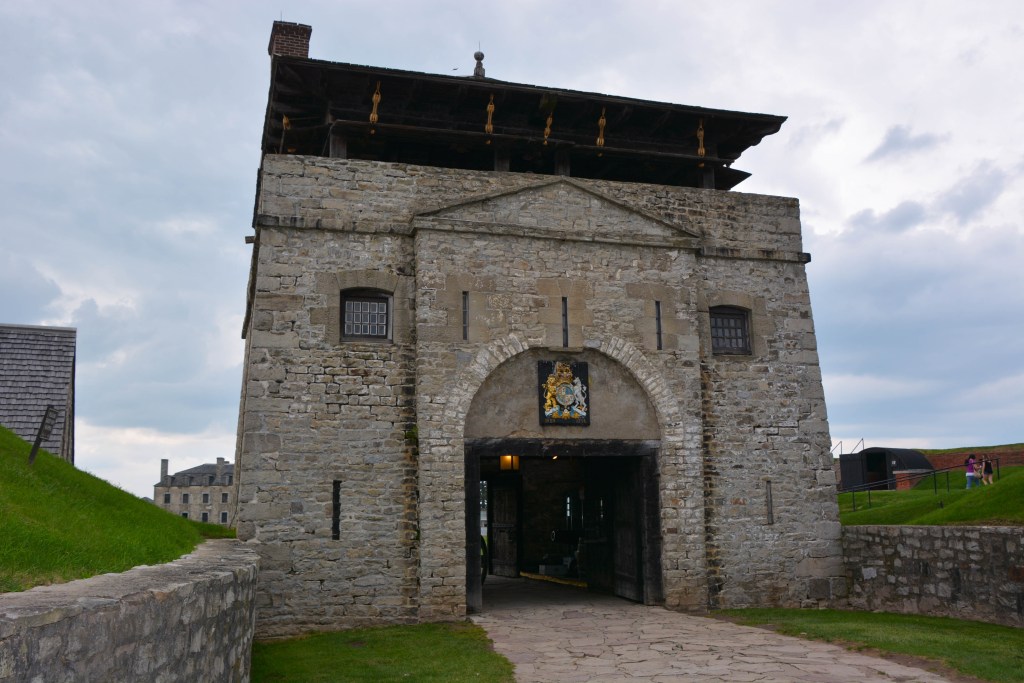
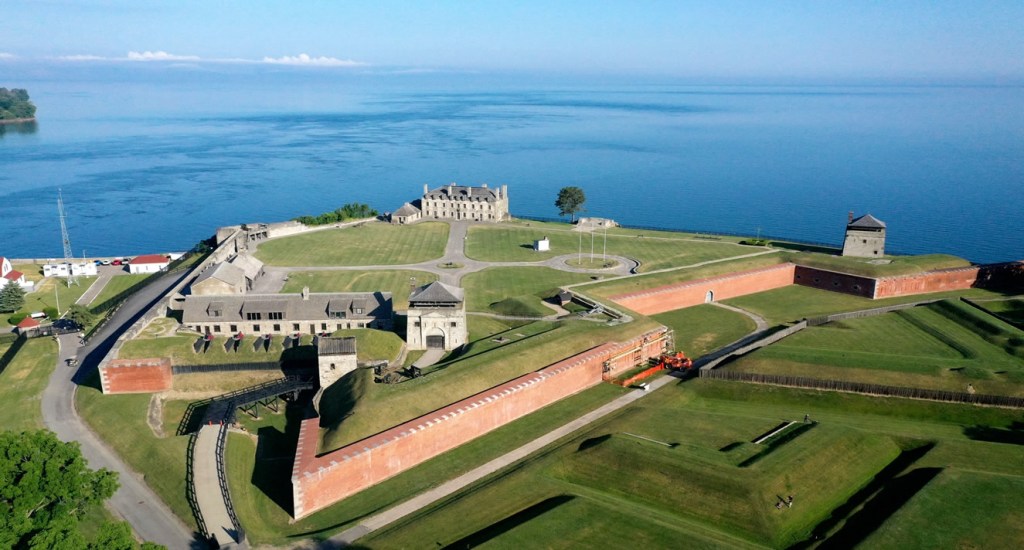
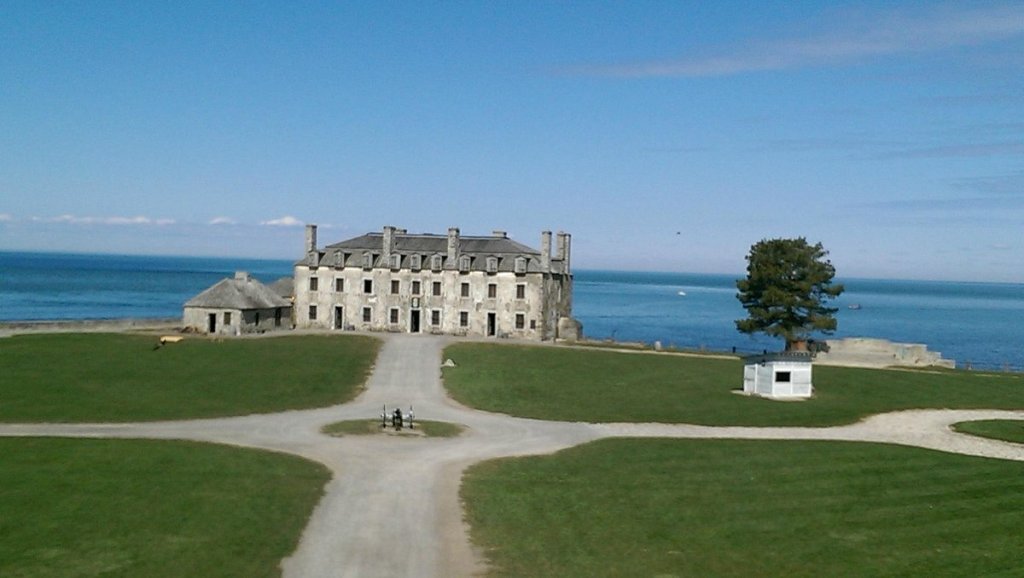
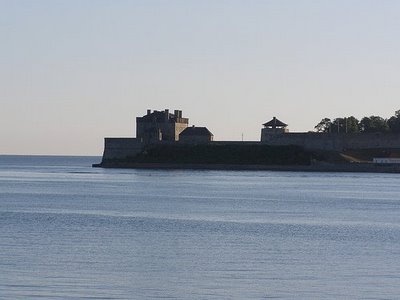
- Why It’s Historic: Old Fort Niagara, located at the mouth of the Niagara River, is one of the most significant historic sites in the region. Established by the French in 1726, this military fort played a critical role during the French and Indian War, the American Revolution, and the War of 1812.
- What to Explore: Visitors can tour the well-preserved fort, explore its stone buildings, and witness live historical reenactments, including musket and cannon demonstrations. The fort also houses a museum with artifacts from the 18th and 19th centuries.
- Tip: Visit during one of the fort’s reenactment weekends, where costumed actors bring history to life with battle demonstrations and interactive exhibits.
- Why It’s on the Historic Trail: Old Fort Niagara’s strategic importance and rich history make it a must-see for anyone interested in military history and early American conflicts. Website: Old Fort Niagara
2. Lundy’s Lane Battlefield (Niagara Falls, Canada)
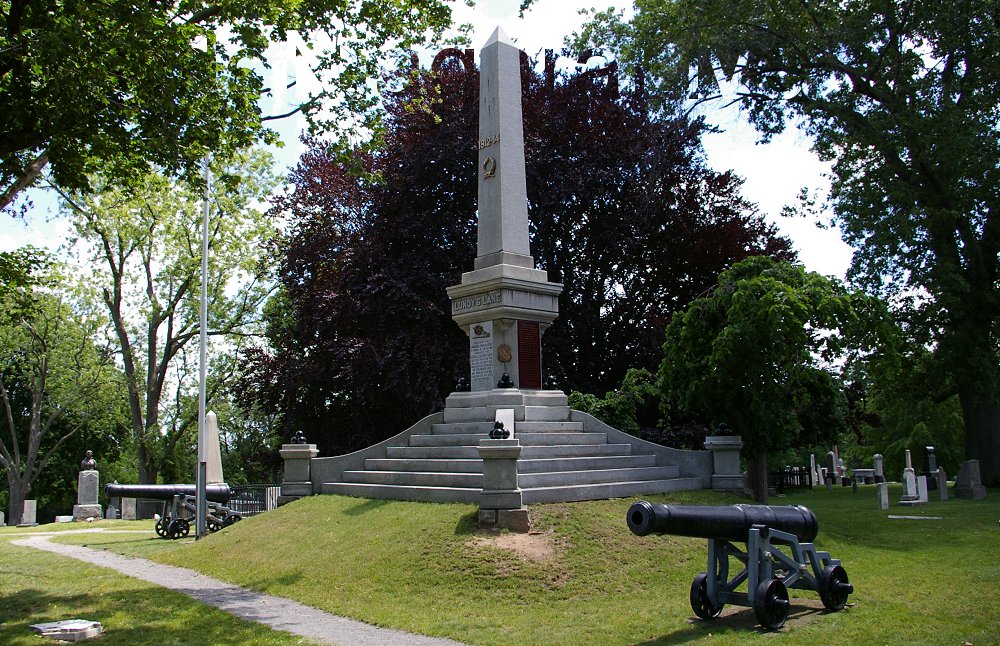
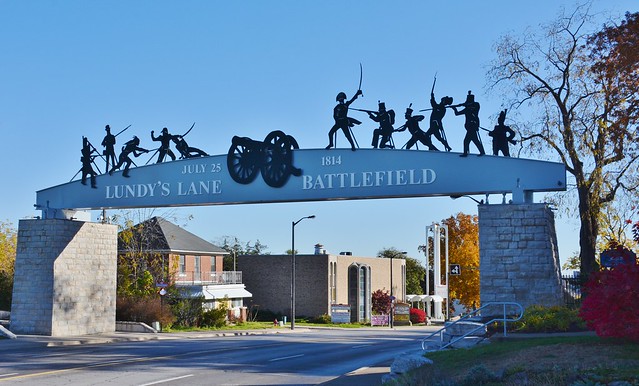
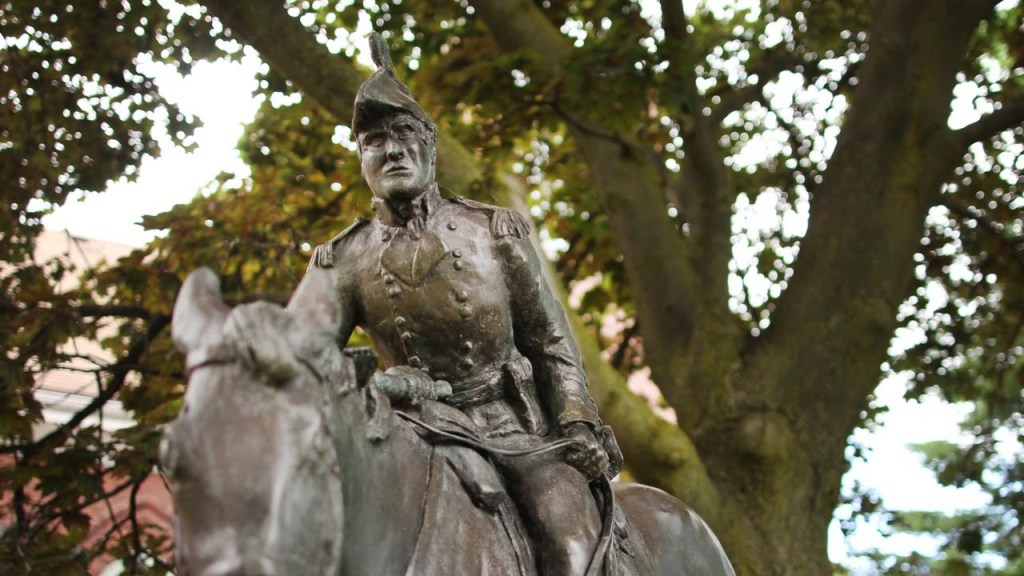
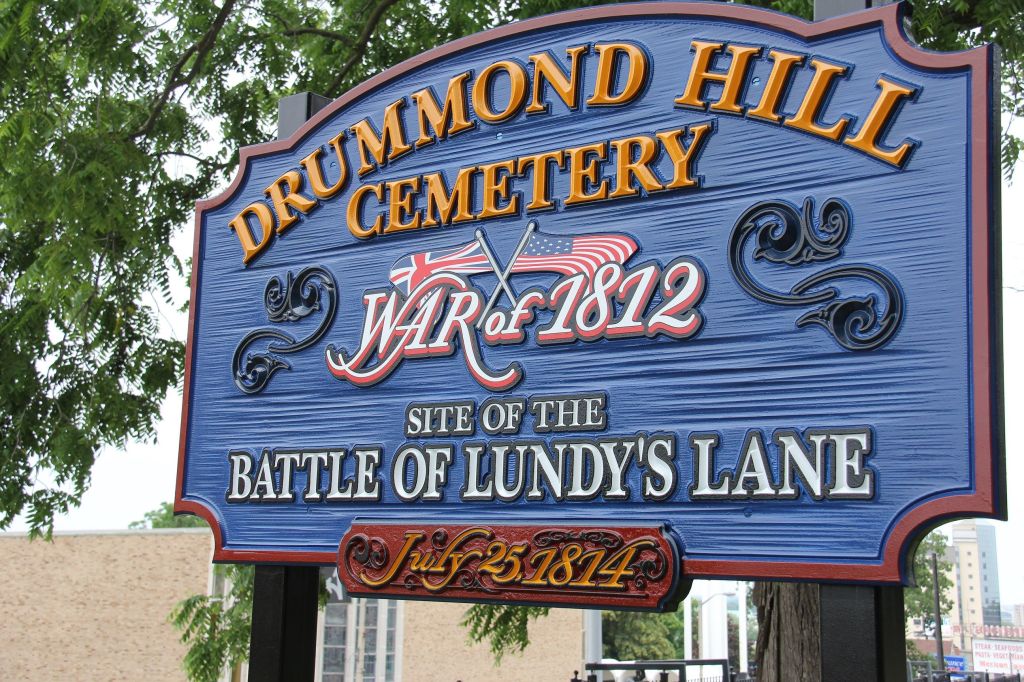

- Why It’s Historic: Lundy’s Lane Battlefield was the site of one of the bloodiest battles of the War of 1812, fought on July 25, 1814. The battle, which took place on what is now a quiet road, played a crucial role in the defense of Canada during the war. Website: Lundy’s Lane Battlefield
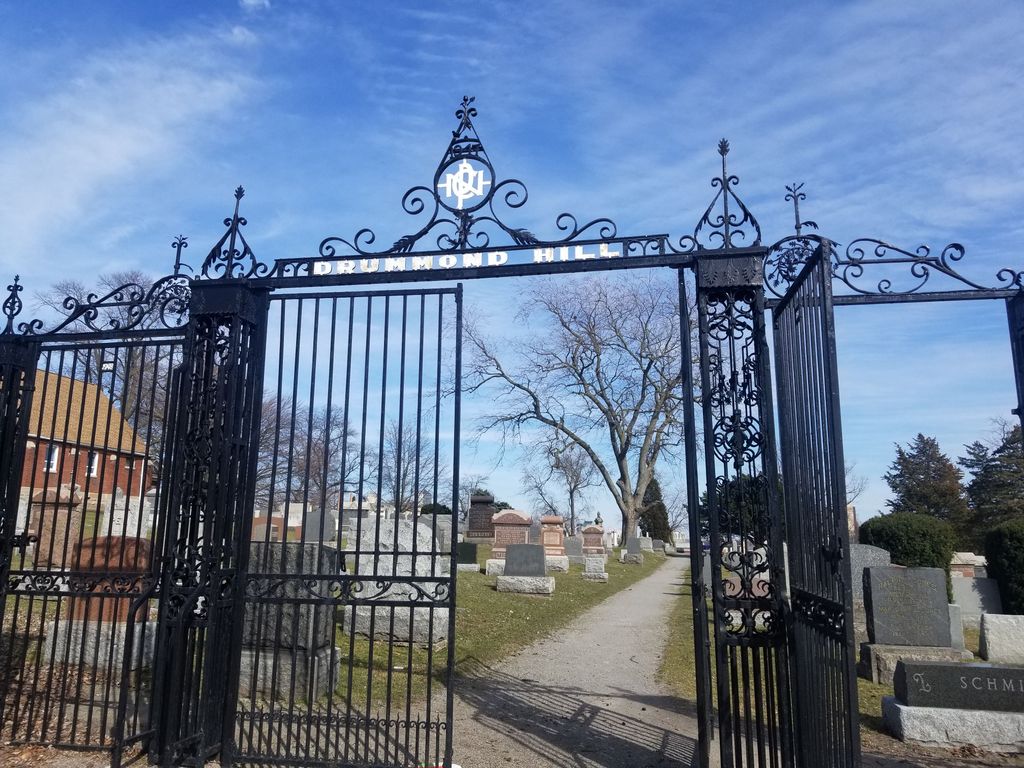
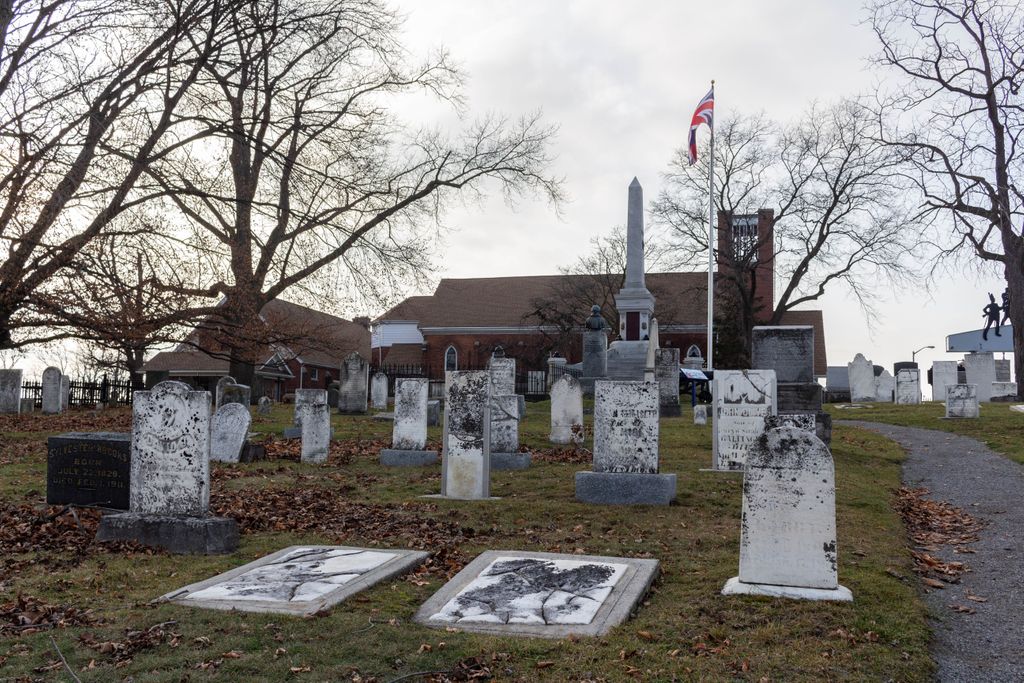
- What to Explore: Today, the battlefield is marked by a historic monument and Drummond Hill Cemetery, where many soldiers are buried. Guided tours are available, offering insight into the battle and its significance in Canadian history. Website: Drummond Hill Cemetery
- Tip: Visit the Niagara Falls History Museum Website: Niagara Falls History Museum, located nearby, to learn more about the War of 1812 and view artifacts from the battlefield.
- Why It’s on the Historic Trail: Lundy’s Lane is a key site for understanding Canada’s role in the War of 1812, and the cemetery offers a poignant reminder of the lives lost during the conflict.
3. Niagara Falls Underground Railroad Heritage Center (Niagara Falls, USA)
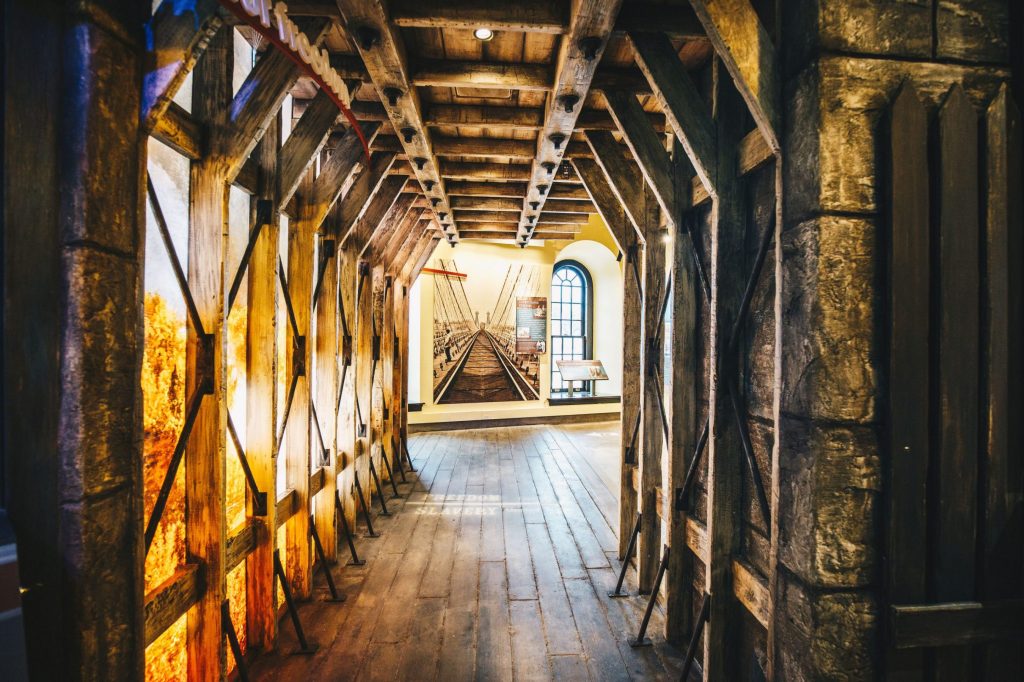


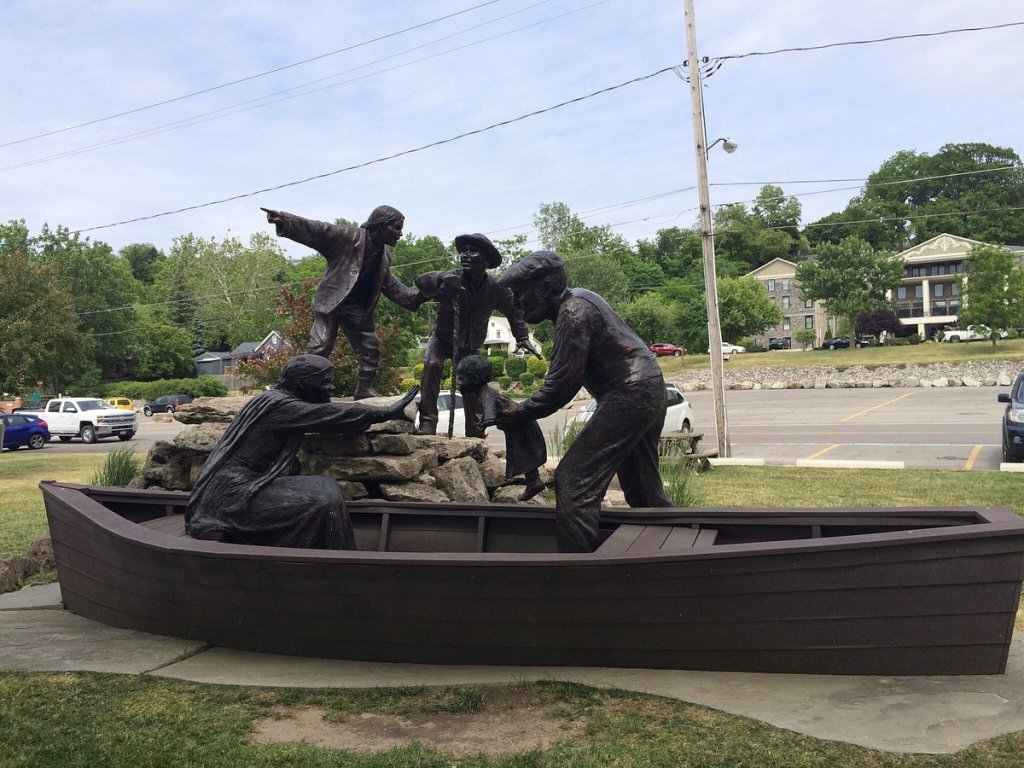
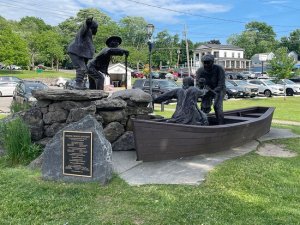
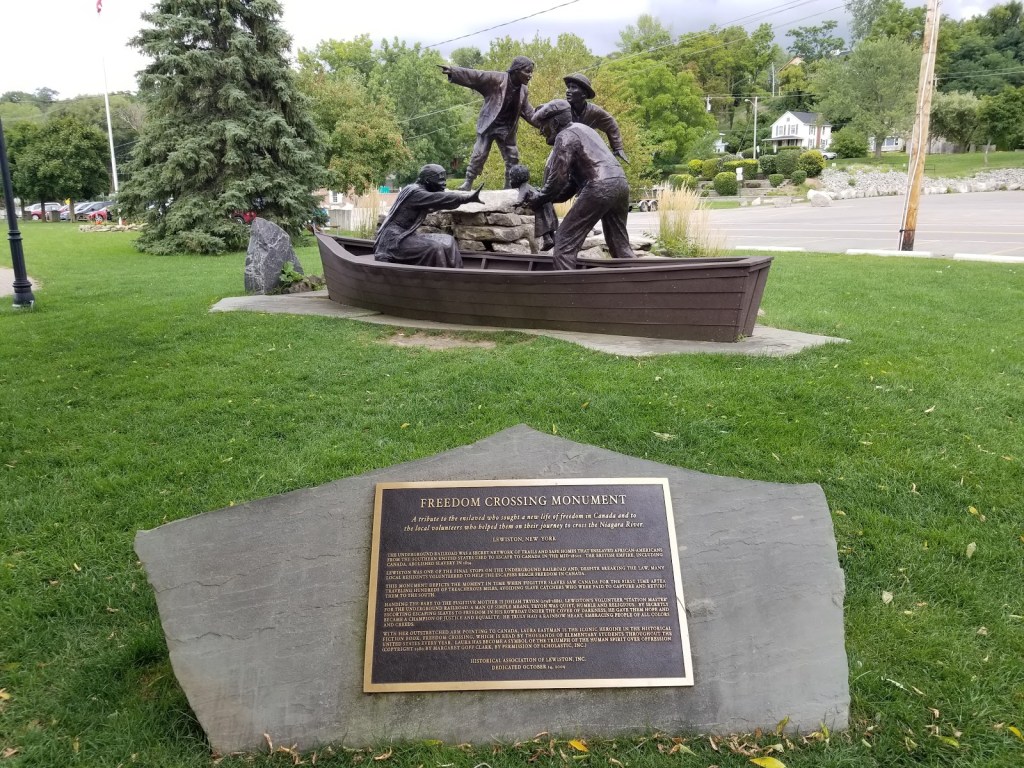
- Why It’s Historic: Niagara Falls played a crucial role in the Underground Railroad, as many enslaved individuals made their way to freedom by crossing the river into Canada. The Underground Railroad Heritage Center tells the stories of those who sought freedom and the people who helped them along the way. Website: Underground Railroad Heritage Center
- What to Explore: The museum offers interactive exhibits that take visitors through the perilous journey to freedom, with a focus on the Niagara River’s significance as a border crossing. The “One More River to Cross” exhibit is particularly moving, showing how individuals risked their lives to reach Canada. One More River to Cross
- Tip: Take a walk along the Freedom Crossing Monument, located on the banks of the Niagara River, which commemorates those who crossed to freedom. Website: Freedom Crossing Monument
- Why It’s on the Historic Trail: The Underground Railroad Heritage Center provides a deep, emotional look into one of the most important movements in American history, making it an essential stop for those interested in social justice and African American history.
4. Drummond Hill Cemetery (Niagara Falls, Canada)
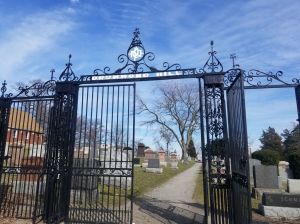
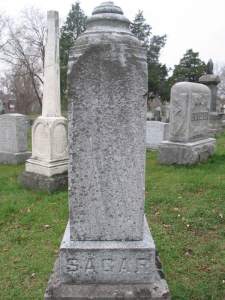
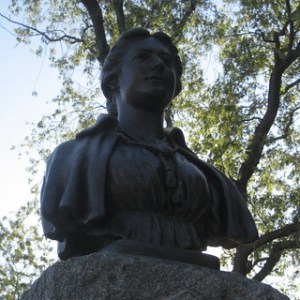
- Why It’s Historic: Drummond Hill Cemetery is closely tied to the Battle of Lundy’s Lane and is the final resting place of many soldiers who fought during the War of 1812. It is also the burial site of Laura Secord, a Canadian heroine who warned British forces of an impending American attack.
- What to Explore: Visitors can walk through the cemetery, visit the graves of War of 1812 soldiers, and pay homage to Laura Secord’s memorial. The cemetery is also known for its peaceful setting and connection to one of Canada’s most important battles.
- Tip: Visit the cemetery at sunset for a peaceful, reflective experience, and take a moment to appreciate the courage and sacrifice of those buried here.
- Why It’s on the Historic Trail: Drummond Hill Cemetery offers a personal connection to the War of 1812, allowing visitors to reflect on the lives of those who shaped Canadian history. Website: Drummond Hill Cemetery
5. Battle of Queenston Heights National Historic Site (Niagara-on-the-Lake, Canada)
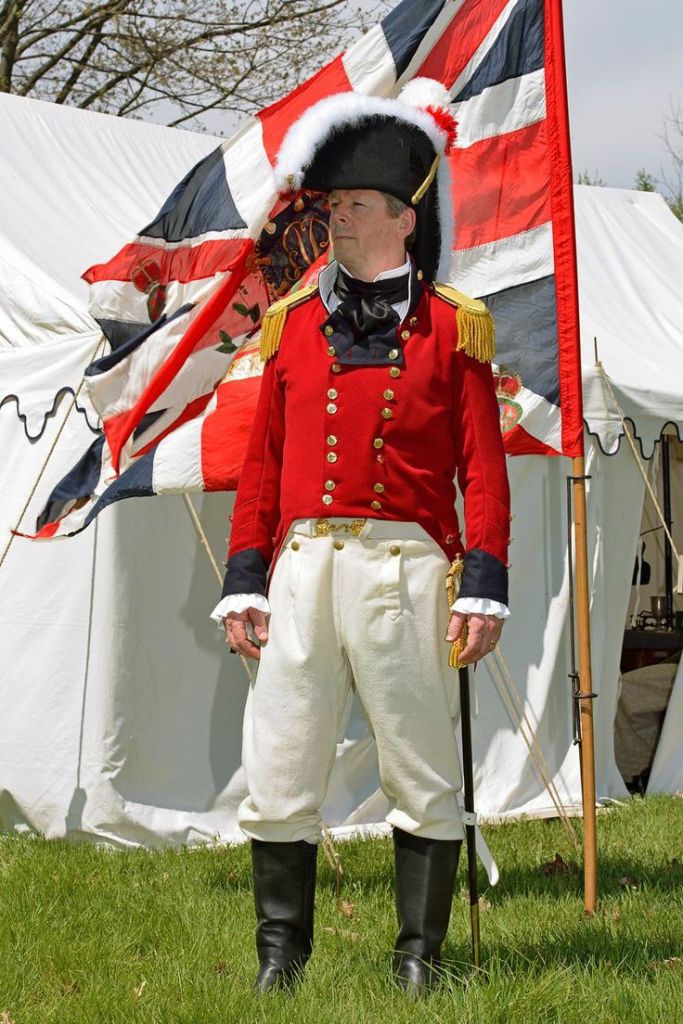
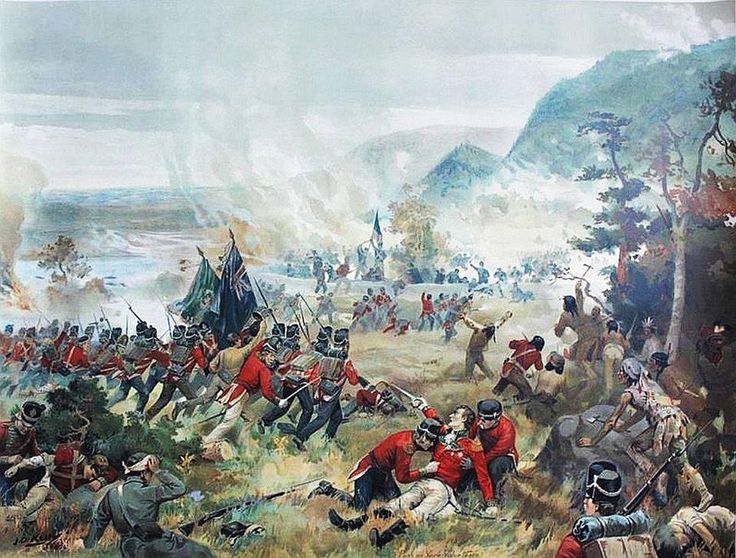
- Why It’s Historic: The Battle of Queenston Heights, fought on October 13, 1812, was a key battle during the War of 1812. It marked the first major battle in the war and resulted in a decisive British victory, with General Isaac Brock becoming a national hero. Websites: Queenston Heights / General Isaac Brock
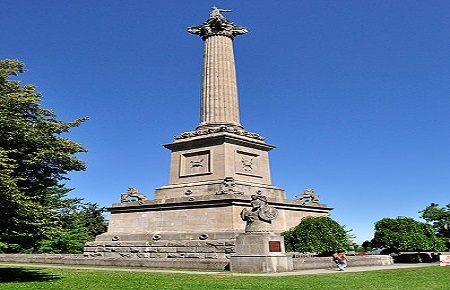
- What to Explore: The site is home to the Brock Monument, a towering column that honors General Brock, who was killed during the battle. The park offers interpretive plaques that explain the significance of the battle, along with scenic views of the Niagara River.
- Tip: Climb to the top of the Brock Monument for panoramic views of the Niagara River and the surrounding countryside.
- Why It’s on the Historic Trail: The Battle of Queenston Heights was a turning point in the War of 1812, and this site offers a blend of history and stunning natural beauty. Website: Brock Monument
6. Laura Secord Homestead (Queenston, Canada)
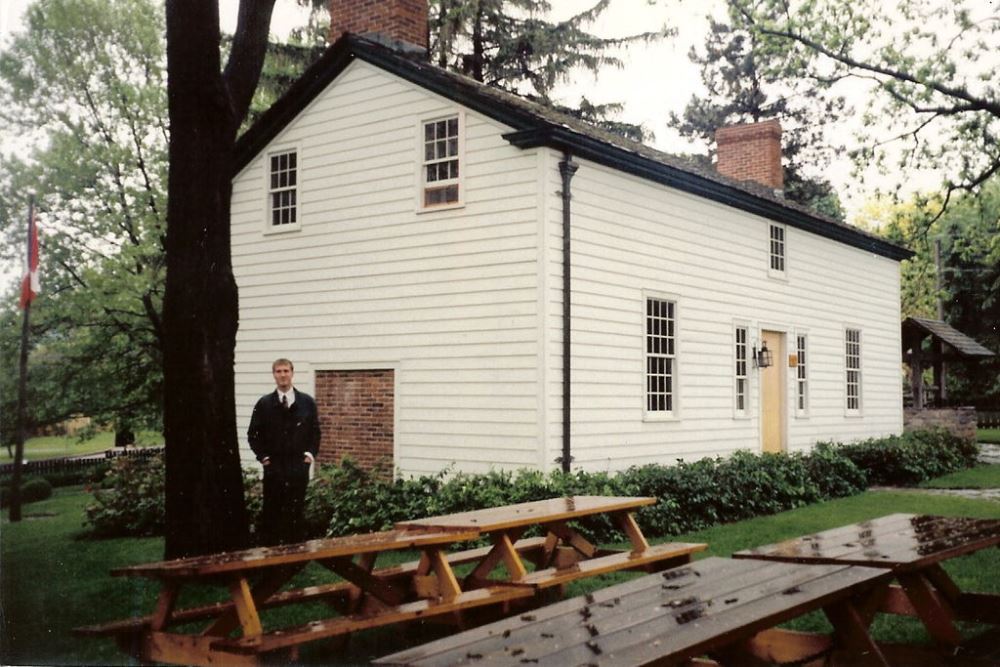
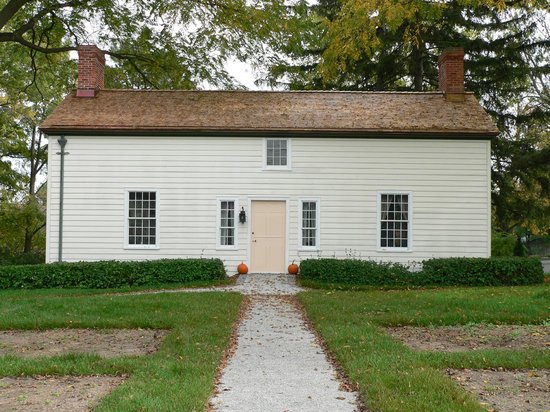
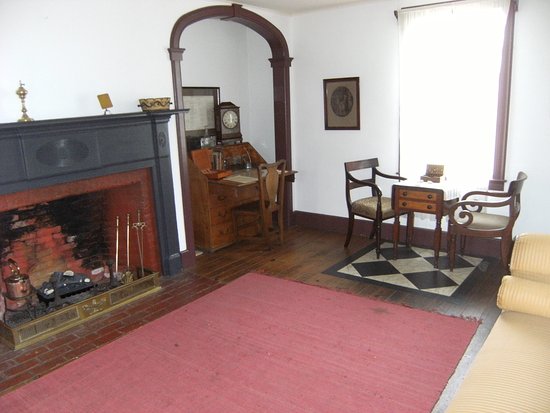
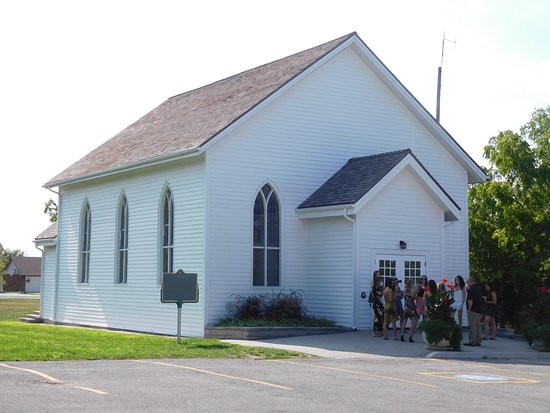
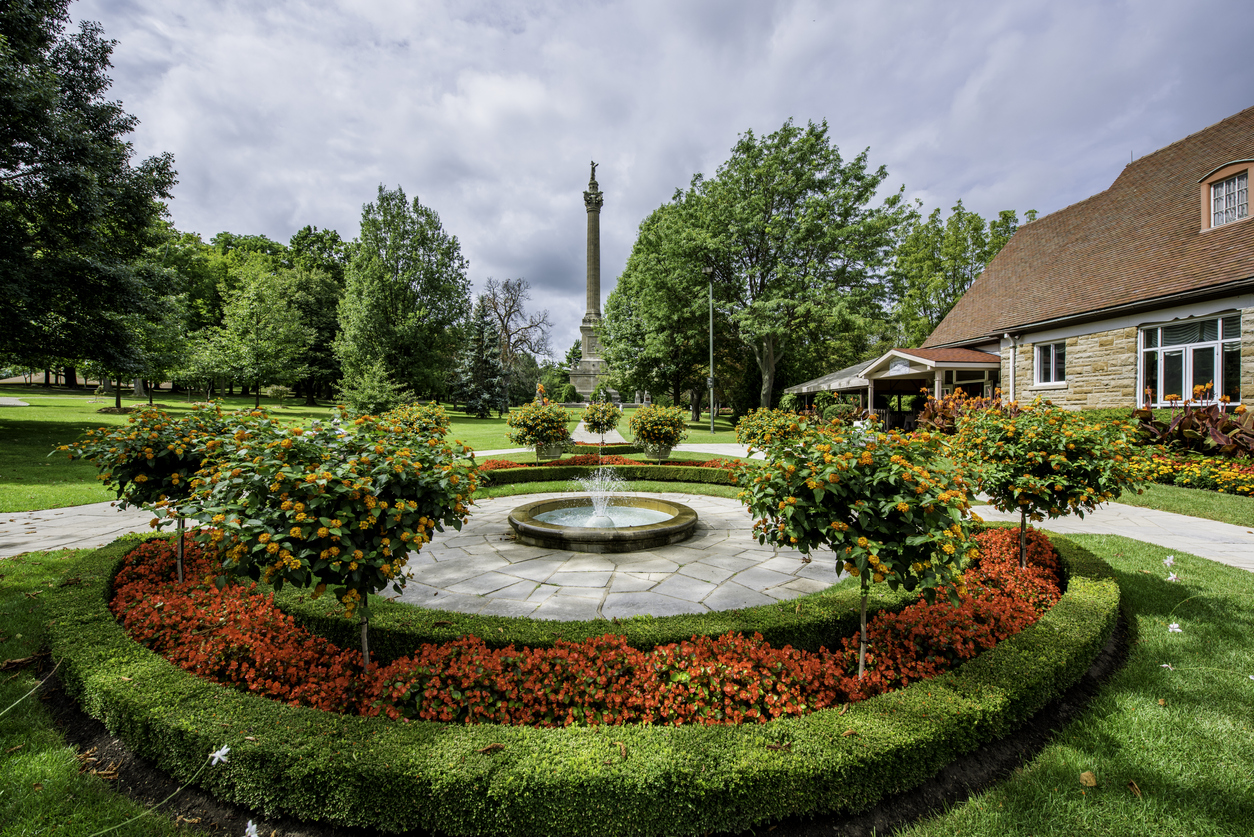
- Why It’s Historic: Laura Secord, a key figure in Canadian history, became a hero during the War of 1812 when she walked 20 miles to warn British troops of an impending American attack. Her homestead in Queenston is now a museum dedicated to her life and legacy. Website: Laura Secord Home Stead
- What to Explore: Visitors can tour the historic house where Laura Secord lived, with guides dressed in period costume offering insights into her courageous journey. The home is furnished with artifacts from the early 19th century, providing a glimpse into her life.
- Tip: Combine your visit to the homestead with a trip to the nearby Queenston Heights National Historic Site to get a full understanding of Laura Secord’s role in the War of 1812.
- Why It’s on the Historic Trail: Laura Secord’s story is one of bravery and patriotism, and her homestead offers a fascinating look into the life of one of Canada’s most celebrated heroines. Website: Queenston Heights National Historic Site
7. Fort George National Historic Site (Niagara-on-the-Lake, Canada)
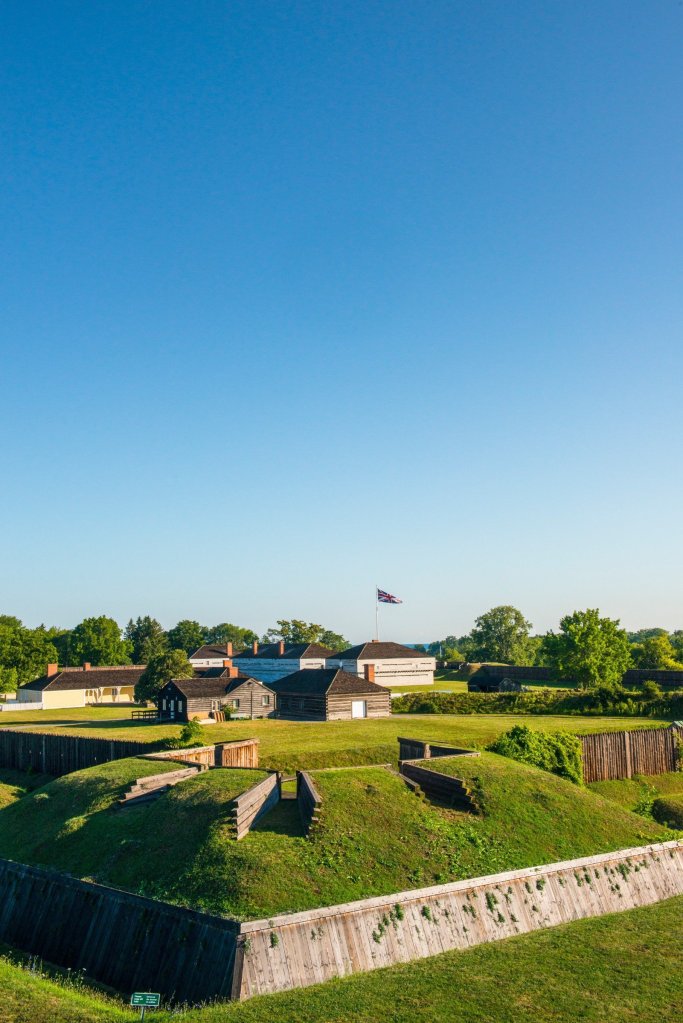
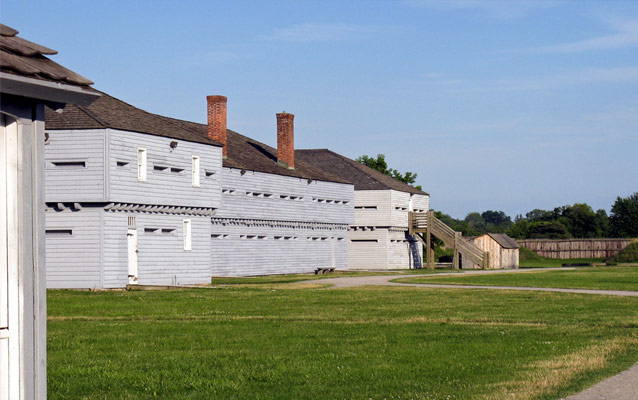
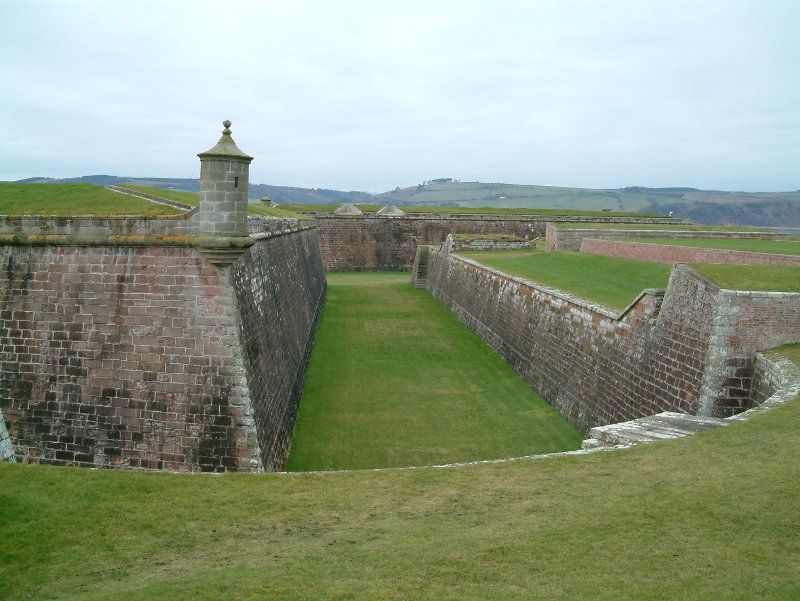
- Why It’s Historic: Fort George was a key military post during the War of 1812 and served as the headquarters for the British Army. The fort was the scene of several battles and played a pivotal role in defending the Canadian border.
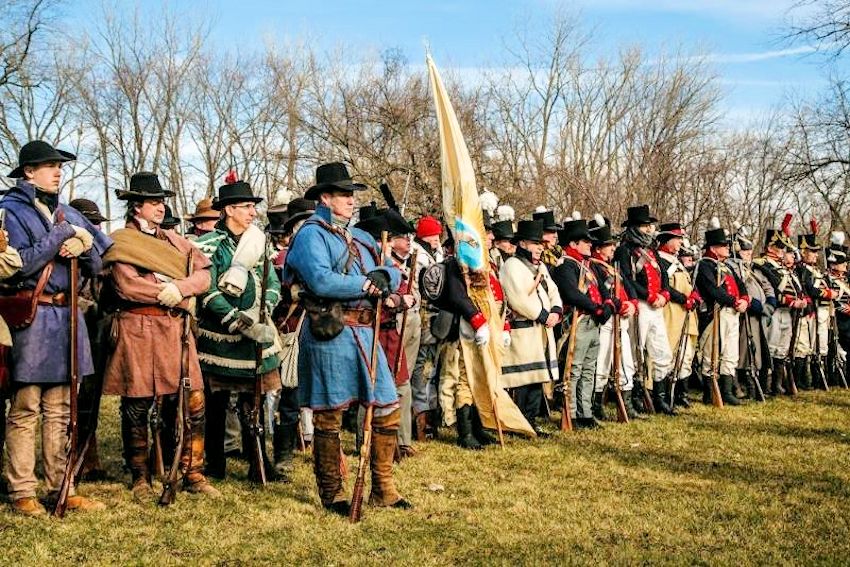
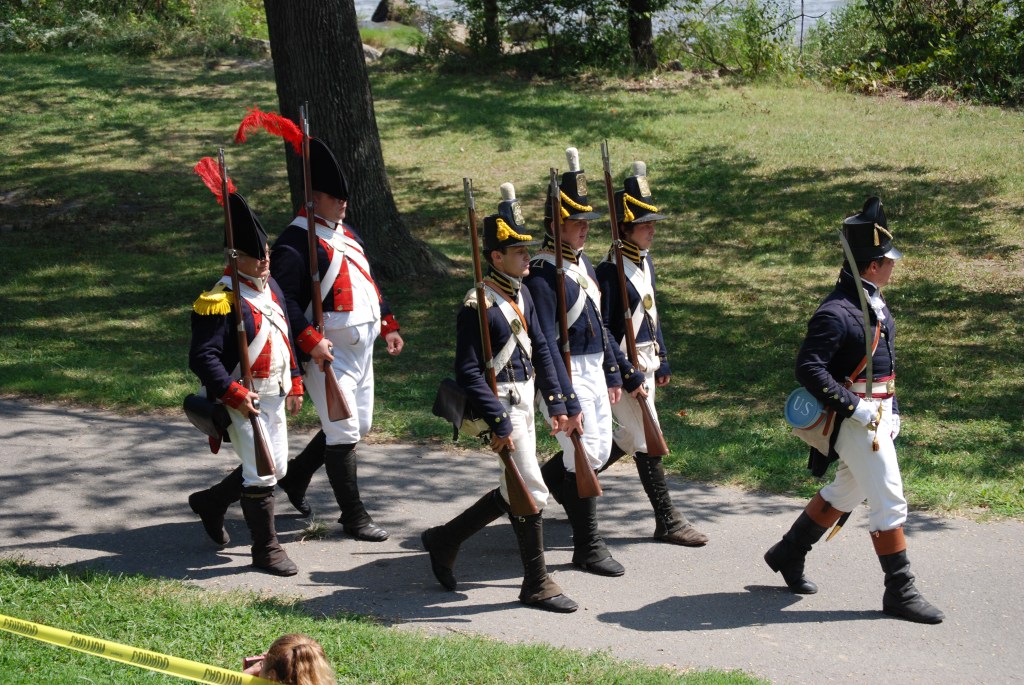
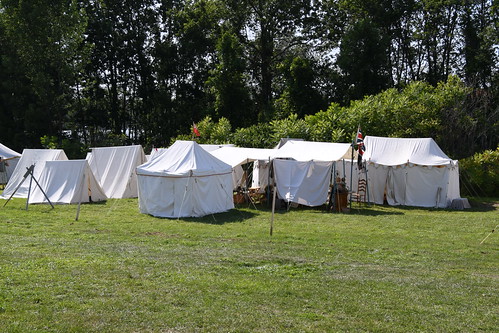
- What to Explore: Visitors can explore the fort’s barracks, officers’ quarters, and guardhouse, all restored to their original condition. Fort George also offers live historical reenactments, musket demonstrations, and guided tours that bring the history of the War of 1812 to life.
- Tip: Visit during the War of 1812 Encampment, held each summer, where reenactors set up camp and offer immersive experiences for visitors.
- Why It’s on the Historic Trail: Fort George’s strategic importance and well-preserved condition make it one of the best places to explore early Canadian military history. Website: Fort George National Historic site
8. Niagara Falls History Museum (Niagara Falls, Canada)
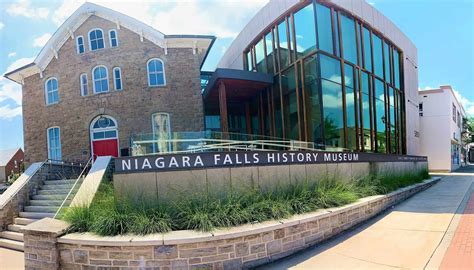

- Why It’s Historic: The Niagara Falls History Museum provides an in-depth look at the history of the falls and the surrounding area, from its geological formation to the daredevils who challenged its waters. The museum also covers local involvement in the War of 1812.
- What to Explore: The museum features interactive exhibits that allow visitors to learn about the formation of Niagara Falls, the development of the region, and the significant battles fought here. Artifacts, videos, and historical displays offer a comprehensive look at the falls’ history.
- Tip: Check out the rotating exhibits that highlight different aspects of Niagara’s history, including indigenous culture, the early tourist industry, and industrial development.
- Why It’s on the Historic Trail: The museum offers a full narrative of Niagara Falls’ history, providing context for visitors looking to understand the region beyond its natural beauty. Website: Niagara Falls History Museum
Uncover Niagara’s Historic Treasures
From the battlefields of the War of 1812 to the heroism of Laura Secord, Historic Niagara Falls offers a wealth of landmarks and stories that shaped the region and its role in North American history. Explore these sites to uncover the fascinating legacy of Niagara’s past.
Ready to explore Niagara’s rich history? Plan your visit today and discover the landmarks, museums, and battlegrounds that tell the stories of those who shaped the region. Contact us for personalized itineraries and recommendations to make the most of your historic adventure in Niagara Falls.

